

Chesapeake Headache Doctor
Headache and Migraine Treatment
Recurring headaches that don't respond to over-the-counter medication often point to an underlying neurological condition. Identifying the cause requires more than pain relief. It requires a clinical evaluation.

Migraines
Migraines present as moderate to severe throbbing pain, often on one side of the head. Associated symptoms include nausea, vomiting, and heightened sensitivity to light and sound.
Some patients experience aura before the headache begins. Aura may involve visual disturbances such as flashing lights or blind spots. Sensory changes including tingling in the hands or face can also occur.
Migraine triggers include hormonal fluctuations, certain foods, alcohol, irregular sleep, weather changes, and dehydration.
Tension-Type Headaches
Tension-type headaches produce a dull, bilateral pressure often described as a band tightening around the forehead. They tend to develop gradually and can persist for hours.
Common triggers include sustained stress, poor posture, fatigue, and prolonged screen time. These headaches rarely cause nausea or light sensitivity.


Cluster Headaches
Cluster headaches are among the most severe primary headache disorders. They cause intense, sharp pain around or behind one eye.
Episodes often occur at the same time each day and follow a cyclical pattern. Clusters may last weeks or months before entering remission.
Medication-Overuse Headaches
Medication-overuse headaches develop when acute pain relievers are used too frequently.
The brain adapts to the medication, and headaches return more often as each dose wears off. This creates a cycle that worsens without clinical intervention.
Other Headache Types
Other presentations include post-concussion headaches, cervicogenic headaches originating from the neck, and headaches associated with underlying vascular or structural conditions. Each type requires a different diagnostic and treatment approach. Accurate classification guides the neurologist toward the appropriate treatment protocol.
Common Headache Symptoms, Signs, and Triggers
Headaches vary widely in location, intensity, and duration. These differences are clinically significant. The pattern of symptoms often determines the headache type and the appropriate treatment approach.
Livingspring Neurology Center is led by a board-certified Chesapeake headache doctor specializing in chronic, severe, and treatment-resistant headaches. The practice provides migraine diagnosis, headache classification, treatment planning, and ongoing management.
Patients receive in-house neurological testing, evidence-based treatment protocols, and individualized care plans built around each patient's specific condition. Our office is located at 733 Volvo Parkway, Suite 310, Chesapeake, VA 23320. Office hours are Monday through Friday, 8:30 AM to 4:30 PM. To schedule an appointment, call (757) 347-4531. You could also leave a general inquiry through our contact form, and we’ll get back to you within a few days.
A shifting headache pattern often signals that the underlying condition is progressing. Frequent analgesic use can lead to medication-overuse headaches, a condition that requires medical management to resolve. Without proper intervention, breaking the cycle is difficult.
The Chesapeake headache doctors at Livingspring Neurology Center evaluate each patient's clinical history and symptom profile. This assessment considers risk factors and determines the appropriate course of action. Early evaluation often prevents a manageable condition from becoming chronic.
When to Seek Medical Attention
Not every headache requires a visit to a headache specialist. Certain warning signs and patterns indicate that a neurological evaluation is necessary.
Schedule a neurological consultation if any of the following apply:
1. Your headaches are increasing in frequency, lasting longer, or worsening in severity.
2. Headaches wake you from sleep or begin abruptly during physical exertion.
3. You experience neurological symptoms with your headaches, such as numbness,
4. Tingling, visual changes, difficulty speaking, balance problems, or weakness on one side of the body.
5. A headache follows a head injury or trauma.
6. You rely on over-the-counter pain medication more than two to three times per week.
Headache Treatment Plans and In-Office Procedures
Headache and migraine treatment starts with an accurate diagnosis. The head pain doctor then develops a treatment strategy based on headache type, frequency, and response to prior interventions.
-
![]()
Acute Medications
Acute medications stop a headache once it begins. These include triptans, gepants, and anti-inflammatory agents.
-
![]()
Preventive Medications
Preventive medications are taken on a scheduled basis to reduce headache frequency and severity before episodes occur.
Options include antihypertensive medications, antiseizure drugs, antidepressants, and calcitonin gene-related peptide (CGRP) inhibitor injections. -
![]()
Botox Injections
Botox (onabotulinumtoxinA) is an FDA-approved treatment for chronic migraine. The procedure involves targeted injections around the head and neck every 12 weeks. Botox works by blocking the release of neurotransmitters involved in pain signaling.
Patients who experience 15 or more headache days per month may be candidates. A migraine doctor can assess eligibility and discuss expected outcomes during a consultation.
-
![]()
Infusion Therapy
For severe or treatment-resistant cases, infusion therapy may be appropriate. This involves intravenous medication administration in a clinical setting. It's typically reserved for patients who haven't responded to standard oral or injectable treatments.
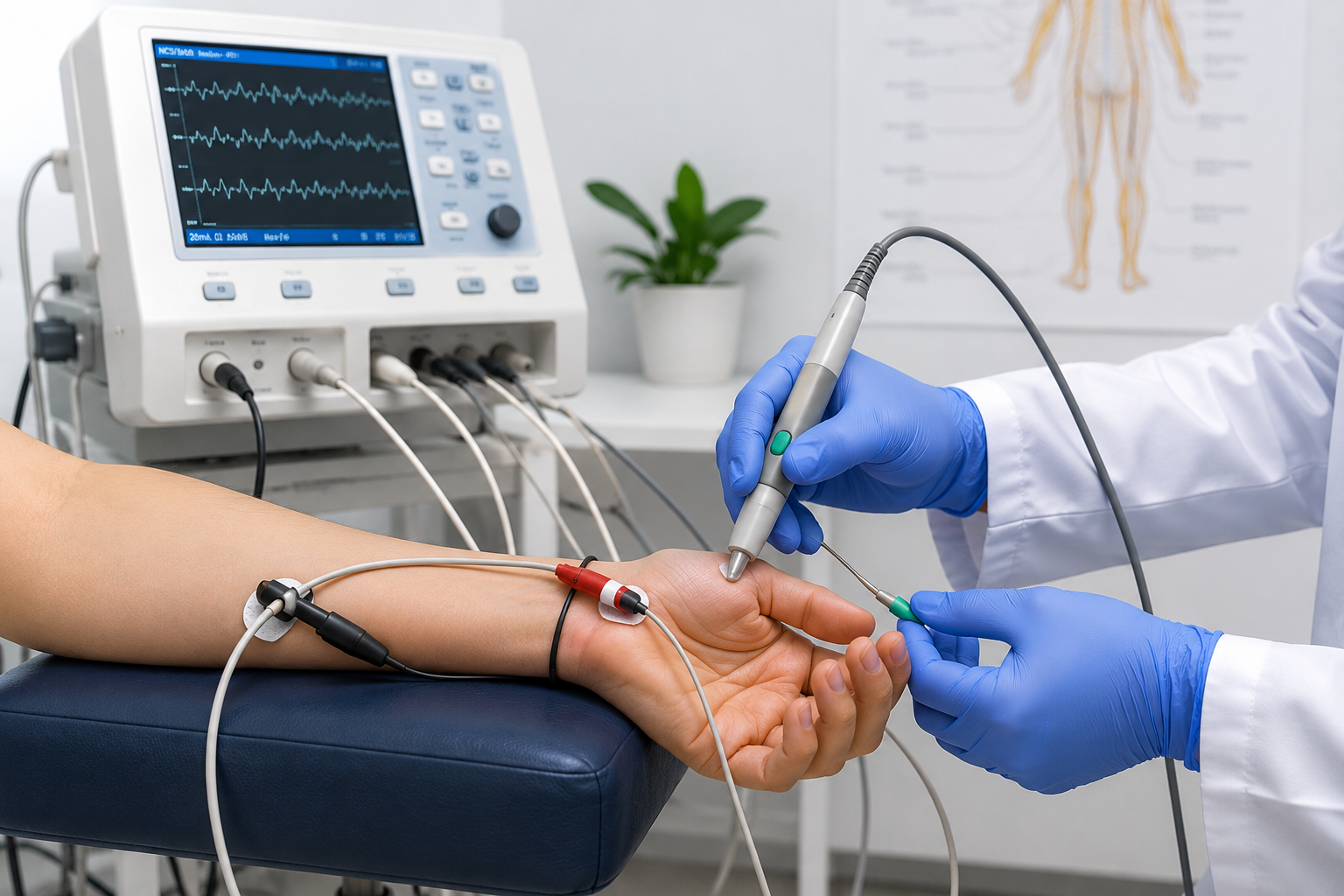
On-site diagnostic testing also means fewer outside referrals and shorter wait times between evaluation and diagnosis. The neurologist can often perform the clinical exam and initiate testing during the same appointment.
Our Diagnostic Capabilities
Livingspring Neurology Center offers in-house diagnostic capabilities to support accurate and timely diagnosis. Testing is selected based on each patient's clinical picture.

Electromyography (EMG) and nerve conduction studies (NCS) assess peripheral nerve and muscle function. These tests are useful when headaches present alongside numbness, tingling, or weakness.
Results can reveal whether a nerve-related condition is contributing to the patient's symptoms. In some patients, headache and neuropathy symptoms overlap, and testing helps the neurologist distinguish between the two.
Electroencephalogram (EEG) testing records electrical activity in the brain. An EEG can identify whether headache symptoms may be associated with abnormal brain wave patterns or seizure-related activity. The test is non-invasive and involves placing small electrodes on the scalp.
When structural imaging is clinically indicated, the neurologist orders MRI or CT scans. These evaluate the brain for tumors, vascular abnormalities, structural lesions, or other conditions that may cause headaches. While not every patient requires imaging, it's available when the clinical presentation warrants it.
Frequently Asked Questions About Headaches
-
Yes. Headache conditions that begin as episodic can transition to chronic patterns. Identifying this progression early expands the available treatment options.
Chronic migraine is defined as 15 or more headache days per month, with at least eight days meeting migraine criteria. Many patients with chronic migraine initially presented with episodic migraine. Without appropriate management, the frequency gradually increases across months and years.
-
A headache is a general term for pain in the head. A migraine is a specific neurological condition characterized by moderate to severe throbbing pain, often on one side. Migraines frequently include nausea, light sensitivity, and sometimes aura. They require different treatment than tension-type headaches.
-
Four or more headache days per month, or a pattern that's changing in frequency or severity, warrants an evaluation by a neurologist.
-
Yes. Botox is FDA-approved for chronic migraine. Patients who experience 15 or more headache days per month may be eligible. The migraine specialist at Livingspring Neurology Center evaluates candidacy and administers treatment on-site.
-
It depends on the insurance plan. Some plans require a referral from a primary care physician. Others allow self-referral. Contact the office at (757) 347-4531 to verify your plan's requirements.
-
A current medication list, any previous imaging or test results, and a headache diary if available. Notes on headache frequency, triggers, and severity help the neurologist maximize the evaluation.
-
Yes. Teleneurology appointments are available for follow-up visits and certain clinical evaluations. This option accommodates patients who have difficulty traveling to the Chesapeake office.
Schedule Your Evaluation Today with Livingspring Neurology Center
Headaches that persist, worsen, or resist over-the-counter treatment require a clinical evaluation. Accurate diagnosis is what separates temporary pain relief from lasting improvement.
Livingspring Neurology Center provides the diagnostic expertise and individualized treatment planning that chronic and complex headache conditions require.
A board-certified Chesapeake headache doctor is available to evaluate, diagnose, and treat. Call (757) 347-4531 or submit an inquiry through our contact form to schedule an appointment.